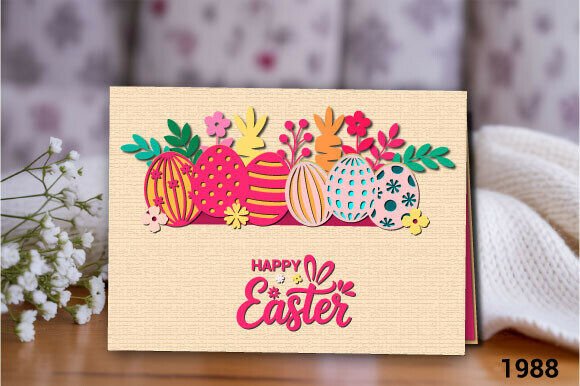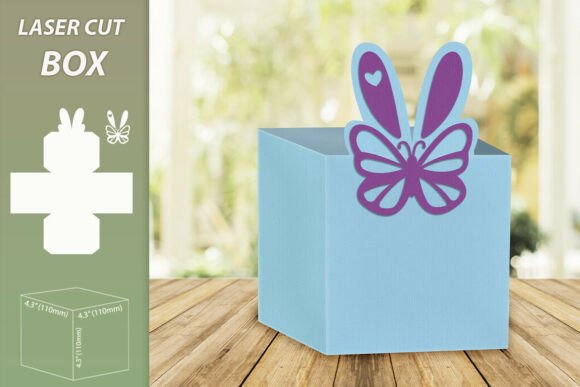
Easter Treat Gift Box Laser Cut: A Designer’s Review
As a professional embroidery digitizer and product reviewer, I approach every new asset with a critical eye toward production viability. When evaluating the Easter Treat Gift Box Laser Cut, my primary focus is not just its aesthetic appeal as a paper craft template, but its potential translation into a high-quality machine embroidery design. For Etsy sellers, craft business owners, and makers specializing in mixed-media projects, this 3D SVG offers a unique structural foundation that bridges digital cutting and needlework. However, moving from a laser-cut vector to a stitched finished product requires careful technical consideration to ensure the final result meets commercial standards.
First Impressions and Structural Integrity
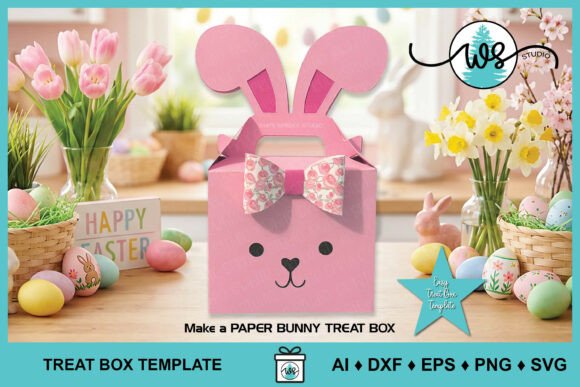
The initial review of the Easter Treat Gift Box Laser Cut reveals a clean, geometric precision typical of files optimized for Glowforge or Cricut machines. The lines are crisp, and the interlocking tabs suggest a sturdy assembly. From an embroidery perspective, this structural clarity is promising. Unlike organic, hand-drawn illustrations that can sometimes lose definition when converted to stitches, this box design relies on straight lines and defined angles. This makes it an excellent candidate for a structured applique design or a precise satin stitch border.
The mood is distinctly festive yet orderly, evoking a sense of curated gifting rather than chaotic holiday clutter. For a handmade product, this balance is essential. It feels professional enough for boutique packaging but playful enough for personal use. As a digital embroidery file source, the vector paths provide a reliable map for digitizing, reducing the guesswork often associated with tracing raster images. The design assets included in this 3D SVG package suggest versatility, allowing creators to adapt the box shape for various embroidery project types beyond simple paper assembly.
Real-World Application: The Custom Tote Bag Scenario
To truly test the viability of this design, I envision a specific real-life scenario: creating a premium tote bag design for a spring market launch. Imagine a natural canvas tote featuring the Easter Treat Gift Box Laser Cut outline embroidered in a deep sage green, serving as a framing element for a personalized name or monogram inside the box shape. This application transforms a packaging template into a central motif for custom apparel and accessories.
In this context, the box acts as a visual container. For sweatshirt embroidery or baby embroidery, this framing technique adds significant perceived value. Customers are not just buying a generic bunny or egg; they are purchasing a composed scene that implies thoughtfulness. When stitching this onto canvas or denim, the rigid geometry of the laser cut file translates beautifully into a running stitch guide or a narrow satin column. The result is a personalized gift that looks engineered rather than hastily stitched. For small shop product lines, this consistency builds brand recognition and trust, signaling to buyers that your commercial embroidery work is intentional and polished.
Technical Considerations for Stitching Success
While the Easter Treat Gift Box Laser Cut is visually appealing, embroidering geometric structures presents specific challenges that differ from standard holiday embroidery. Straight lines and sharp corners are unforgiving. If your tension is off or your stabilizer choice is inadequate, the box will look warped, undermining the professional finish required for Etsy seller success.
- Fabric Texture and Stability: This design demands a stable base. On stretchy knits or textured linens, the straight lines of the box may distort during stitching. Always use a cut-away stabilizer for garments like sweatshirts or baby onesies to maintain the geometric integrity of the embroidery file.
- Hoop Size and Placement: Verify your hoop size before committing to a production run. The box proportions must fit comfortably within the hoop without requiring excessive re-hooping, which introduces alignment errors. For embroidered patch creation, ensure the outer boundaries allow for a clean merrowed or satin edge finish.
- Stitch Density Management: If converting the laser cut lines directly to satin stitches, be wary of density. Thick satin columns on a box outline can cause puckering on lighter fabrics. Consider using a split satin or a bean stitch for a flatter profile that washes better on items like tea towels or aprons.
- Corner Definition: Sharp 90-degree corners in embroidery often result in thread buildup or gaps. When digitizing from this 3D SVG, apply corner compensation or slightly round the inner angles to ensure smooth needle penetration and a cleaner visual result.
Navigating Limitations and Fabric Choices
Not every surface is suitable for the Easter Treat Gift Box Laser Cut adaptation. I would advise caution when attempting this design on highly curved surfaces like caps or structured visors. The rigid geometry fights against the curvature of the hat, leading to registration issues where the sides of the box do not meet the top or bottom correctly. Similarly, on dark fabrics, the contrast requirements change. A white or metallic thread is necessary to define the box shape clearly; otherwise, the detail gets lost, diminishing the impact of the design assets.
For baby embroidery or items destined for frequent washing, avoid overly dense fill stitches within the box structure. While the laser cut file might show intricate internal details, translating these to thread on delicate cotton can make the fabric stiff and uncomfortable. Simplify the interior elements to maintain the softness expected in children's goods. Always prioritize wearability over exact replication of the vector file when creating functional handmade products.
Professional Workflow and Pre-Production Checks
Before listing any item featuring this design or selling the adapted digital embroidery file, rigorous testing is non-negotiable. As experienced makers know, screen previews rarely tell the whole story. Run a test stitch-out on the exact fabric you intend to sell. Check the thread colors against both natural and artificial lighting to ensure the Easter palette reads correctly. Evaluate the back of the embroidery; excessive jump stitches or messy trims inside the box shape indicate a need for digitizing optimization.
Furthermore, confirm licensing terms explicitly. Just because a file is marketed as a "laser cut template" does not automatically grant rights to resell it as a digitized embroidery file or to mass-produce commercial embroidery goods. Respect the original creator’s intellectual property while building your own craft business. Create printable mockups only after verifying that your physical sample matches the digital representation. Accurate mockups prevent customer disappointment and returns, protecting your reputation as a reliable Etsy seller or boutique owner.
Elevating Product Value Through Design Adaptation
Ultimately, the Easter Treat Gift Box Laser Cut serves as more than a seasonal decoration; it is a versatile framework for enhancing product value. By treating this 3D SVG as a foundational element for embroidery, you elevate simple goods into cohesive collections. Whether used as a standalone motif on a kitchen towel or combined with floral appliques on a nursery pillow, the structured nature of the box provides visual anchor points that organize complex designs.
For creative entrepreneurs, this adaptability is key to maximizing ROI on design assets. A single well-tested box template can spawn variations across multiple categories, from custom apparel to home decor. The professionalism inherent in clean, geometric embroidery signals quality to buyers browsing crowded marketplaces. By applying these practical design judgments and respecting the technical realities of machine embroidery, you transform a digital file into a tangible, profitable finished product that resonates with customers seeking authentic, well-crafted Easter merchandise.