Happy Easter Basket 3D SVG: A Brand Designer’s Review
Evaluating Whimsy and Structure for Local Business Packaging
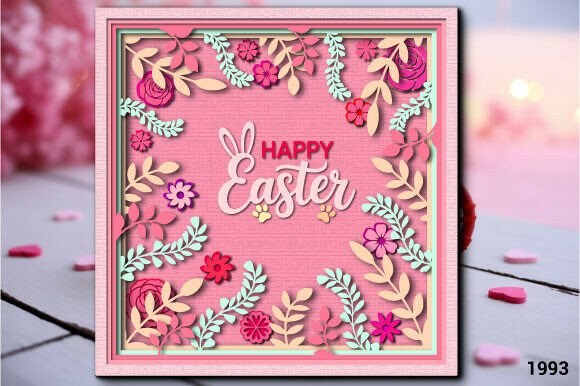
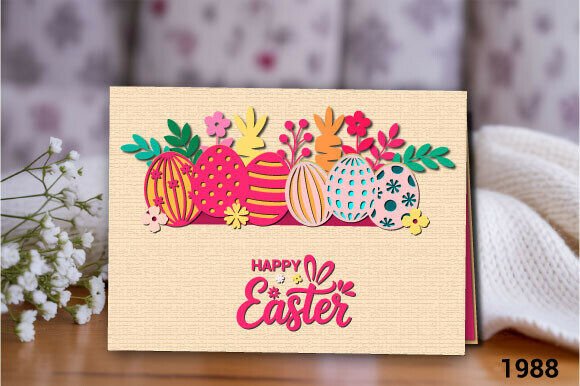
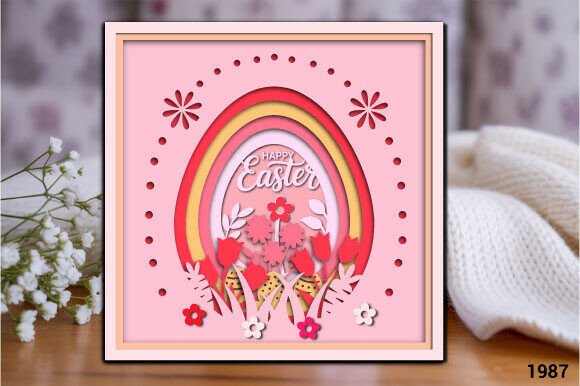
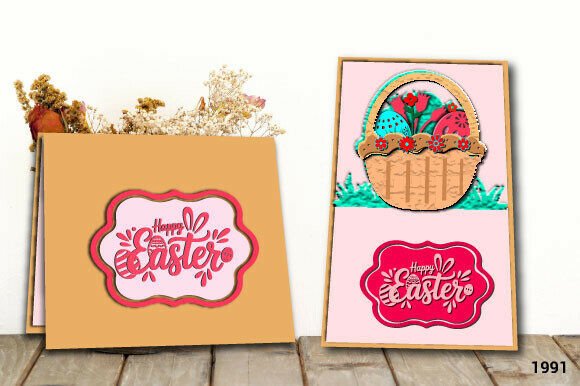
As a brand designer specializing in local commerce and artisanal goods, my first impression of the Happy Easter Basket Fold Card SVG 1991 is that it strikes a delicate balance between nostalgic charm and structural precision. When evaluating this graphic design asset for a real-world client project—specifically a boutique bakery launching a seasonal spring campaign—the immediate mood is one of handcrafted warmth. It does not feel sterile or mass-produced; rather, it suggests a brand personality that is organic, feminine, and deeply attentive to detail. The eleven-layer construction implies depth and tactile quality, which translates beautifully into digital mockups even before a single piece of cardstock is cut. For small business branding, particularly in the food, floral, or handmade gift sectors, this aesthetic signals to customers that the product inside is curated with care.
This specific 3D SVG stands out because it avoids the overly cartoonish style often found in generic holiday clipart. Instead, it leans into an elegant, papercraft aesthetic that aligns well with premium pricing strategies. When I review design assets for commercial use, I look for versatility beyond a single greeting card. This file offers a sophisticated visual anchor that can elevate a simple product label or serve as the hero image for a seasonal landing page without overwhelming the brand identity.
Strategic Applications Across Product Labels and Marketing Visuals
In a practical branding scenario for a local business, the utility of the Happy Easter Basket Fold Card SVG 1991 extends far beyond its intended use as a shadow box light or DIY papercraft. As a versatile vector asset, individual layers can be isolated or recombined to support various touchpoints in a cohesive marketing campaign. For a handmade soap business or a confectionery shop, the basket silhouette alone serves as an excellent framing device for product photography or ingredient lists on packaging design.
- Product Packaging and Hang Tags: The intricate layering works exceptionally well on kraft paper hang tags attached to artisanal breads, candle jars, or bouquet wraps. The depth of the design mimics the texture of physical embossing, adding perceived value to the unboxing experience.
- Social Media Graphics and Ads: For Instagram or Pinterest campaigns, this asset provides instant visual hierarchy. Using the full composition as a background overlay with reduced opacity allows promotional text to remain legible while maintaining festive energy. It is ideal for announcing limited-edition Easter bundles or workshop sign-ups.
- Printable Inserts and Thank-You Cards: Small businesses often struggle with post-purchase engagement. Adapting this design for a printable insert transforms a standard packing slip into a keepsake, reinforcing customer trust and encouraging social sharing.
- Web Design and Editorial Layouts: On a website banner, the 3D SVG nature ensures crisp rendering on high-resolution screens. It acts as a decorative brand element that breaks up text-heavy blog posts about seasonal recipes or gift guides.
By integrating this asset across multiple channels, creative entrepreneurs can achieve a consistent brand identity that feels professional yet approachable. The key is treating the SVG not just as a picture, but as a modular component of a larger visual system.
Enhancing Shelf Appeal and Emotional Connection Through Depth
The primary value proposition of using a layered papercut design like Happy Easter Basket Fold Card SVG 1991 in commercial design is the enhancement of shelf appeal. In a crowded retail environment or a busy social media feed, flat graphics often get lost. The simulated depth of this eleven-layer design catches the eye and invites closer inspection. For a florist or home decor shop, this visual complexity mirrors the intricacy of the products themselves, creating a stronger emotional connection with the buyer before they even read the price tag.
Furthermore, this asset supports better product recognition. When used consistently as a seasonal motif, it becomes a visual cue that loyal customers associate with your brand’s spring collection. This consistency builds professional branding equity over time. However, the emotional impact relies heavily on execution. The design must be paired with appropriate typography and color grading to ensure it feels integrated rather than pasted on. When executed correctly, it transforms a transactional interaction into a celebratory moment, which is the ultimate goal of seasonal marketing visuals.
Navigating Placement: Where Intricacy Enhances vs. Distracts
While extraordinary, this graphic design asset requires strategic placement. It is not a universal solution for every design challenge. Understanding where to use it—and where to avoid it—is critical for maintaining a polished brand presentation.
Ideal Environments for Detailed Papercut Vectors
This asset thrives in spaces dedicated to storytelling and gifting. It is perfect for hero graphics on seasonal landing pages, decorative accents on boutique shopping bags, and elaborate thank-you cards included in subscription boxes. For children’s product brands or family-oriented cafes, the playful yet refined nature of the basket design resonates strongly with the target demographic. It also works beautifully as a backdrop for flat-lay product mockups, providing context without competing directly with the merchandise.
Areas Requiring Caution and Restraint
Conversely, designers should exercise caution when applying this detailed illustration to functional or regulatory areas. Avoid using the full eleven-layer composition on small product labels where legal information, ingredients, or barcodes must take precedence. The visual density can compromise readability and violate compliance standards. Similarly, luxury minimalist brands may find the ornate style clashes with a stark, modern aesthetic. In formal corporate branding or B2B communications, the whimsical nature of an Easter basket may undermine authority. Always prioritize clarity over decoration in high-information zones.
Technical Pre-Flight Checks for Commercial Production
Before committing Happy Easter Basket Fold Card SVG 1991 to a print run or digital launch, experienced designers must perform rigorous technical validation. A beautiful file is useless if it fails in production. Here is my standard pre-flight checklist for this type of complex vector asset:
- Verify Commercial Licensing: Never assume usage rights. Confirm that the license covers physical product sales, digital distribution, and client work. Documentation of this commercial license is essential for protecting your business.
- Test Vector Editability: Open the SVG in Illustrator or Affinity Designer to ensure all eleven layers are separate, editable paths. Check for stray nodes or open paths that could cause cutting errors on laser or vinyl machines.
- Assess Scalability and Legibility: Scale the design down to 2 inches wide. If the inner details merge into a solid blob, it is too complex for small stickers or jar seals. Create a simplified version for these applications.
- Color Mode Conversion: Digital previews are RGB, but packaging is CMYK. Test print a swatch to ensure pastel Easter tones do not shift to muddy colors on uncoated paper stock.
- Typography Pairing Tests: Place the asset beside your brand fonts. Does it compete with a heavy serif? Does it look unbalanced next to a thin sans-serif? Adjust stroke weights if necessary to maintain visual harmony.
- Mockup Validation: Always preview the design on a realistic product mockup before finalizing. Seeing the asset wrapped around a curved surface or textured paper reveals issues that flat screen viewing misses.
By approaching the Happy Easter Basket Fold Card SVG 1991 with this level of professional scrutiny, local business owners and designers can leverage its beauty effectively. It transitions from a simple digital download to a powerful tool for building brand equity, enhancing customer experience, and driving seasonal sales. Whether used for a shadow box light or a sophisticated packaging accent, its success depends entirely on thoughtful, strategic application within a broader brand ecosystem.