Flower Pot Candy Dome: 3D SVG for Pots And Vases
As a digital product creator constantly scouting for assets that convert browsers into buyers, my evaluation process goes far beyond simple aesthetics. When I first opened the files for the Flower Pot Candy Dome, I was looking for more than just a cute graphic; I was assessing its viability as a core component in a seasonal commercial design strategy. This specific asset targets a very distinct intersection of the crafting market: those who want the tactile satisfaction of paper crafting combined with the visual appeal of confectionery themes. The mood is undeniably playful yet structured, leaning heavily into feminine, festive, and handmade aesthetics. It does not feel like a generic clipart illustration; rather, it presents itself as a specialized project file intended for makers who value dimension and detail.
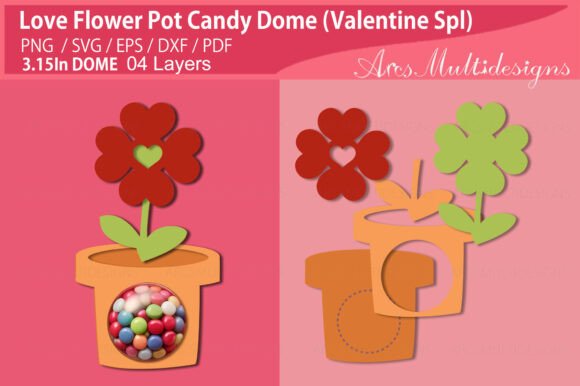
For sellers on Etsy or Creative Fabrica, this distinction matters. Buyers in the Pots And Vases category are often searching for functional decor or intricate gift packaging, not just flat images. The Love Flower Pot Candy Dome concept offers a sweet, blooming surprise perfect for Valentine’s Day or spring events, featuring a 4-layered paper craft structure. From a business perspective, this layering is the selling point. It transforms a standard digital download into an experience. When evaluating this graphic design asset, I immediately recognized its potential to anchor a high-perceived-value listing because it requires user interaction and assembly, which justifies a higher price point than a simple PNG design.
Commercial Applications Across Product Lines
In my shop, I never rely on a single revenue stream for one asset. I tested the Flower Pot Candy Dome across multiple product types to gauge its versatility. As a 3D SVG, its primary application is obviously for Cricut project users and Silhouette owners creating physical candy holders or decorative centerpieces. However, the commercial potential extends further. I found that the individual layers, when separated, function beautifully as standalone sticker design elements for planner enthusiasts. The floral and pot components can be isolated to create matching greeting cards or invitation templates without needing the full 3D assembly.
For print-on-demand sellers, this asset requires careful adaptation. While the intricate lines are perfect for cardstock, they may be too delicate for direct-to-garment t-shirt design or mug design unless simplified. I successfully used the flattened version as a sublimation design for tumblers, where the vibrant colors and layered look translated well to curved surfaces. Additionally, Canva template sellers can utilize the rendered preview of the assembled dome as a background element for social media graphics or blog headers. This allows you to sell the "vibe" of the product even to customers who do not own cutting machines. By diversifying how this digital product is packaged—as a cut file, a printable design, and a template element—you maximize the return on investment for your creative marketplace listings.
Elevating Listing Presentation and Visual Hierarchy
We all know that in the digital download space, your thumbnail is your storefront. The Flower Pot Candy Dome excels here because its 3D nature creates natural depth and shadow, which stops the scroll. When preparing my Etsy product listing, I prioritized mockup previews that showed the item fully assembled and filled with actual candy. Flat vector screenshots simply do not do this type of design justice. Customers need to understand the scale and the final result instantly. I also created a secondary image showing the exploded view of the four layers. This serves two purposes: it demonstrates the complexity of the design bundle and reassures the buyer that the file organization is logical and easy to assemble.
Visual hierarchy in your listing photos should guide the customer through the value proposition. Use large, bright product previews for the main image to capture attention. Then, use lifestyle shots to show the item in context, perhaps on a Valentine’s Day table setting or as part of a handmade business packaging setup. This visual storytelling builds customer trust and increases click-through potential. For brand identity consistency, I paired this asset with soft serif fonts and handwritten script styles in my listing images. This reinforced the romantic, artisanal feel of the product. If you are selling this as part of a larger seasonal collection, ensure the color grading across all mockups matches to maintain a cohesive shop aesthetic.
Technical Constraints and Risk Mitigation
Experienced sellers know that every asset has limitations, and ignoring them leads to refunds and bad reviews. While the Flower Pot Candy Dome is versatile, it must be used carefully in specific scenarios. Avoid using the full detailed design for tiny sticker details or crowded thumbnails; the intricate cut lines will become muddy at small scales. Similarly, if you are adapting this for low-resolution print products, verify that the line weight remains visible. Dark backgrounds can also be problematic for this specific style, as the charm relies on the contrast between the colorful layers and the negative space. Always test on white or pastel backgrounds first.
From a technical production standpoint, always inspect SVG cut quality before listing. I ran a test cut on 65lb cardstock to ensure the tabs aligned perfectly and the score lines were accurate. If the fit is off by a millimeter, your review rating will suffer. Also, confirm PNG transparency and resolution if you are offering raster versions. A jagged edge on a transparent background screams "amateur." Furthermore, check the commercial license terms meticulously. Just because you bought the asset does not always mean you can sell finished physical products or include the raw file in a design bundle. Clarifying these rights protects your small business branding and prevents legal headaches down the road.
Seller Checklist for Professional Execution
Before publishing any listing featuring this asset, I run through a strict quality assurance protocol. This ensures that whether a customer is buying for personal joy or commercial use, they receive a professional-grade file. Here is the practical workflow I recommend for integrating the Flower Pot Candy Dome into your shop:
- Mockup Testing: Never list without a real-world photo. Digital renders of 3D paper crafts often look fake. Assemble it, photograph it in natural light, and use that as your primary visual.
- Font Pairing: Test typography combinations early. A bold display font works for the title, but ensure body text uses a clean sans serif font for readability in instructions.
- File Organization: Group layers logically within the SVG file. Label them clearly (e.g., "Base," "Dome Top," "Flowers") so Cricut users don't have to guess.
- Contrast Checks: Verify visibility on both white and colored cardstock. Some designs rely on white layers for highlights; if printed on white paper, those details disappear.
- Licensing Verification: Double-check if the original creator allows for modified resale or only end-product sales. Document this in your own records.
- Instructional Clarity: Include a PDF guide with assembly photos. Complex 3D SVG projects fail when customers cannot figure out the order of operations.
Ultimately, the Flower Pot Candy Dome is a strong contender for any digital seller focusing on the seasonal craft niche. It bridges the gap between simple graphic art and interactive maker projects. By treating it as a comprehensive commercial design opportunity rather than just a standalone file, and by rigorously testing its applications across merchandise, templates, and printable formats, you can build a sustainable product line that appeals to both hobbyists and fellow entrepreneurs. Success in this market comes from understanding not just what the design looks like, but how it performs in the hands of your customer.