Flowers Papercut Card Template SVG 3 Review
First Impressions: Translating Paper Aesthetics to Thread
As a designer who constantly bridges the gap between digital vector art and tangible textile products, my first reaction to Flowers Papercut Card Template SVG 3 was one of cautious optimism. The design is categorized under Cards And Invites and marketed as a 3D SVG, which immediately suggests depth, layering, and intricate negative space. For paper crafters using cutting machines, this is straightforward. However, for those of us in the embroidery space looking to adapt this into a machine embroidery design, the evaluation requires a different lens.
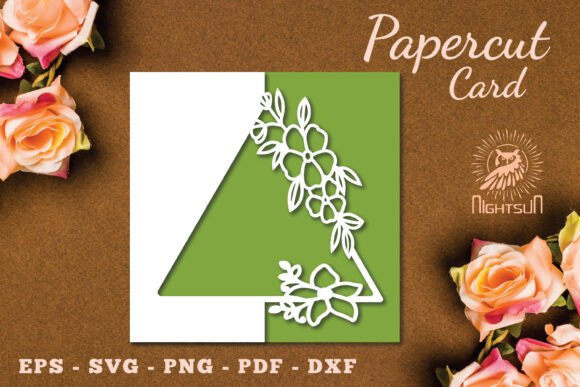
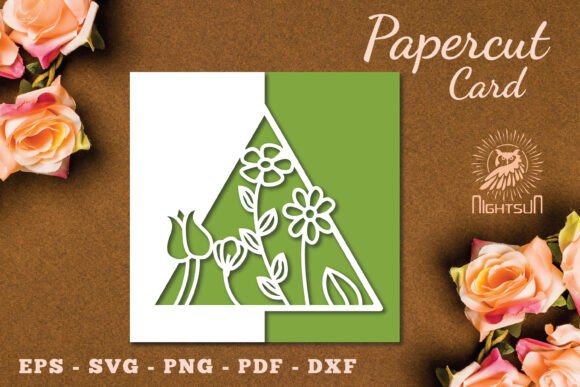
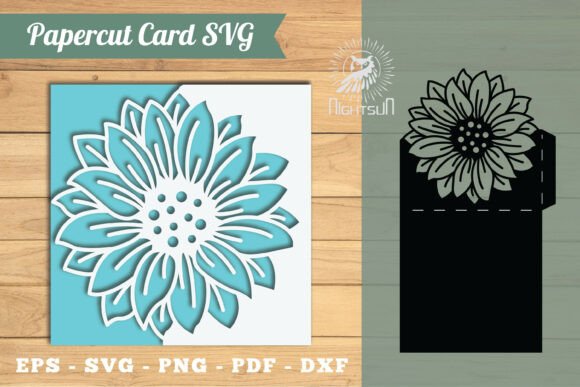
Visually, the artwork possesses a delicate, botanical elegance that feels modern yet timeless. The "papercut" style relies heavily on clean lines and distinct separation between elements to create that signature shadow-and-depth effect. When I look at this file, I am not just seeing a flower; I am seeing potential satin stitch borders and strategic fill stitch areas that could mimic the layered paper look on fabric. The mood is soft and romantic, making it an immediate candidate for high-value personalized gift items rather than utilitarian goods. It does not scream "sportswear" or "industrial branding"; it whispers "boutique" and "heirloom."
Real-World Application: The Custom Tote Bag Test
To truly evaluate the viability of Flowers Papercut Card Template SVG 3 for commercial use, I mentally placed it onto a natural canvas tote bag design project I am currently prototyping for a local florist’s bridal season merchandise. Canvas is a forgiving but textured medium, perfect for testing how well a papercut-style graphic translates when thread replaces paper.
In this scenario, the goal is to create a reusable shopping bag that feels like a premium keepsake rather than a generic giveaway. Because the original files include AI CS6, EPS, and DXF formats, I have the flexibility to manipulate the vectors before digitizing. I can thicken fragile stems that might get lost in the canvas weave and adjust the spacing between floral layers to prevent puckering. As an Etsy seller or small shop owner, this adaptability is crucial. You cannot simply stitch a raw papercut vector; you must interpret it. On the tote bag, I envision using a variegated thread to enhance the 3D illusion, with the background fabric acting as the bottom "layer" of the card. This approach turns a flat embroidery project into a textured piece of art that justifies a higher price point and encourages customer engagement through tactile appeal.
Navigating Fabric Limitations and Hoop Constraints
While the aesthetic is versatile, practical application demands caution. Not every substrate is friendly to the intricate nature of a papercut-inspired applique design or detailed floral motif. Through years of trial and error, I have learned where designs like this thrive and where they fail.
- Stretchy Fabrics: Be extremely careful with knits or performance wear. The density required to define papercut edges can cause tunneling on stretchy material unless you use significant stabilization, which may compromise the garment's drape.
- Textured Surfaces: On terry cloth towels or fleece blankets, the fine details inherent in Flowers Papercut Card Template SVG 3 risk getting swallowed by the pile. You may need to add a knockdown stitch base or simplify the inner details of the petals.
- Curved Items: Caps and curved sleeves present alignment challenges. If the design relies on precise layering to achieve its 3D effect, even a millimeter of shift during stitching can ruin the optical illusion. Flat hooping surfaces are safest for this specific style.
- Small Hoop Sizes: Resist the urge to shrink this design too much. Papercut aesthetics depend on negative space. Reducing the size below 4 inches often results in thread buildup and loss of definition, turning elegant flowers into dense, unrecognizable blobs.
For baby embroidery or lightweight apparel, consider whether the stitch density will make the fabric stiff. A heavy, dense design on a thin onesie is uncomfortable and prone to tearing. Always match the design weight to the fabric weight.
Elevating Brand Value and Customer Trust
Using a refined asset like Flowers Papercut Card Template SVG 3 signals professionalism. In the saturated market of handmade product sales, buyers are increasingly discerning. They can distinguish between a hastily digitized clip-art flower and a thoughtfully adapted design that respects the medium. When you utilize the high-quality PNG for printable mockup listings and then deliver a finished product that matches that crisp visual promise, you build trust.
This design’s inherent sophistication supports higher margins for commercial embroidery services. Whether you are creating wedding party gifts, nursery decor, or boutique branding assets, the "papercut" vibe implies custom craftsmanship. It moves beyond basic monogramming into the realm of illustrative textile art. For digital product sellers offering hybrid bundles, providing both the cutting files and clear guidance on embroidery adaptation adds immense value, distinguishing your shop from competitors who offer only single-format files.
Critical Designer Notes Before You Stitch
Before loading this file into your software or machine, adhere to these professional best practices to ensure success:
- Verify Licensing: The provided file list includes SVG, AI, EPS, PNG, PDF, and DXF, but it does not explicitly state commercial embroidery licensing terms. Always confirm whether you are permitted to sell finished stitched products or if the license is limited to physical paper crafting.
- Test on Scrap First: Never run a new adaptation directly on a client’s garment. Test your thread colors and stabilizer choice on a scrap of the exact fabric you intend to use. Check if the "3D" effect reads correctly in thread form.
- Contrast Check: View your digitized version in black and white before stitching. If the design loses clarity without color, your values are too close. Papercut styles rely on contrast to define layers; ensure your thread palette provides sufficient differentiation.
- Stabilizer Strategy: Given the likely density of a floral papercut conversion, use appropriate cut-away stabilizer for apparel and tear-away for stable woven fabrics. Floating may be necessary for items that cannot be hooped tightly.
- Mockup Accuracy: Use the included High-Quality PNG to create realistic previews, but ensure your final embroidered texture matches the digital presentation. Over-promising with smooth vector graphics when the reality is textured thread can lead to returns.
Flowers Papercut Card Template SVG 3 offers a beautiful foundation for creative entrepreneurs willing to do the translation work. It is not a plug-and-play embroidery file out of the box, but rather a premium design asset that, when treated with respect and technical understanding, can elevate your custom apparel, home decor, and gift offerings significantly. Approach it as a collaboration between vector art and needlecraft, and the results will reflect that intentional craftsmanship.