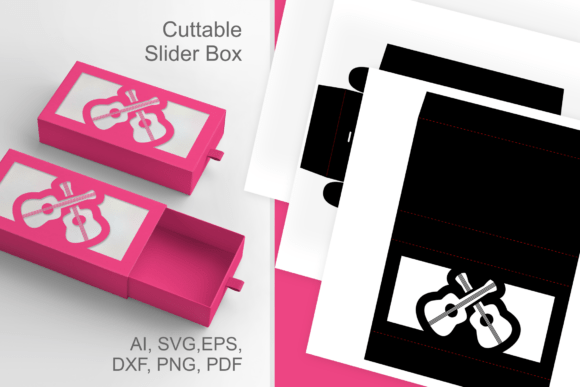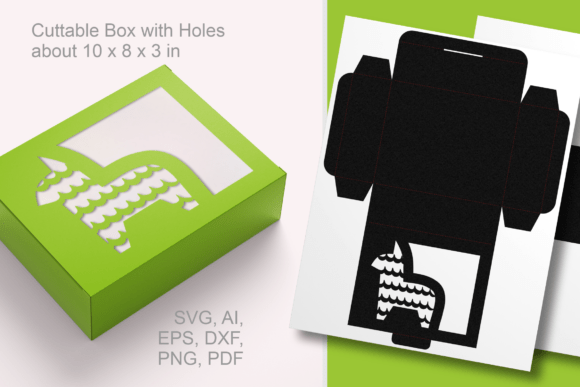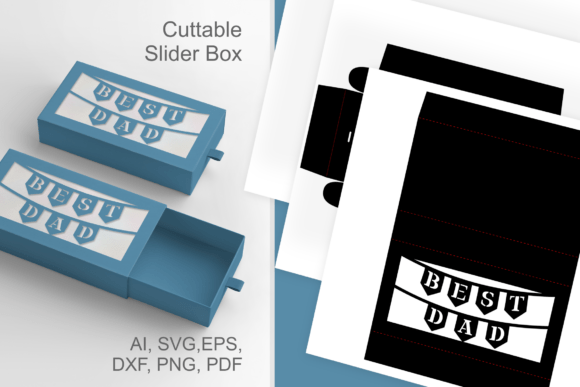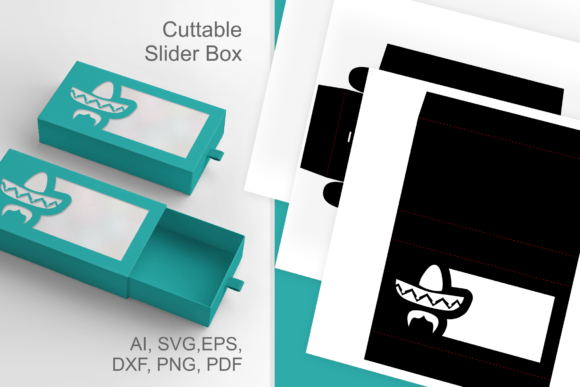
Sombrero Cutout Slide N Drawer Favor Box Review
As a designer who constantly bridges the gap between digital assets and tangible, stitched goods, I approach every new file with a specific question: will this actually translate to thread? When I first opened the Sombrero Cutout Slide N Drawer Favor Box, my immediate reaction was one of appreciation for its structural ambition. While categorized as a 3D SVG intended for paper crafting, the intricate cut lines and layered geometry present a fascinating challenge for machine embroidery adaptation. This is not your standard flat holiday embroidery design; it is a structural blueprint that demands we think about fabric stability, stitch density, and dimensional construction in ways that typical applique designs do not.
The mood of this design is undeniably festive yet sophisticated. It avoids the cartoonish aesthetic often found in fiesta-themed merchandise, leaning instead into an elegant, folk-art silhouette. For those of us running a craft business or managing an Etsy shop, this distinction matters. Customers are increasingly looking for personalized gifts that feel curated rather than generic. The see-through holes and sliding mechanism implied by the template suggest a level of interactivity that could elevate a simple embroidered patch or tote bag design into a conversation piece. However, translating paper-cut precision to textile requires a critical eye.
Real-World Application: The Embroidered Tote Bag Test
To truly evaluate this asset, I mentally prototyped it for a real-life scenario: creating a premium canvas tote bag for a boutique client hosting a summer wedding with a Mexican heritage theme. In this context, the Sombrero Cutout Slide N Drawer Favor Box serves as more than just decoration; it acts as a branding element. I envisioned adapting the outer sombrero silhouette as a large-scale applique design on natural canvas, using the internal cutout patterns as negative space filled with contrasting linen.
In practice, this application tests the limits of standard stabilizer and hooping techniques. Unlike a simple fill stitch logo, this design relies on crisp edges to maintain its "cutout" illusion. If the registration is off by even a millimeter, the elegant lattice work looks messy. For this tote bag project, I would treat the digital embroidery file as a guide for placement but would likely need to digitize specific satin stitch borders to reinforce the cutout areas against the canvas texture. The result, when executed correctly, is a handmade product that feels architectural. It transforms a utilitarian item into a keepsake, significantly increasing the perceived value for the end buyer.
Navigating Fabric Limitations and Hoop Constraints
While the visual potential is high, practical judgment dictates caution regarding where not to use this design. The complexity of the Sombrero Cutout Slide N Drawer Favor Box makes it unsuitable for certain substrates. I would strongly advise against attempting this on stretchy knits or performance wear without significant modification. The dense stitching required to mimic paper-cut rigidity can cause puckering on t-shirts or baby clothes, distorting both the garment and the design.
Furthermore, consider your hoop size limitations. This design features continuous lines that define the sliding drawer aesthetic. Breaking these lines across multiple hoopings introduces alignment risks that can compromise the professional finish. If you are working with a small hoop, you may need to scale down or isolate specific elements of the sombrero rather than forcing the full composition. Textured fabrics like terry cloth or boucle are also problematic; the fine details of the cutout pattern will get lost in the pile. For kitchen towels or nursery decor, opt for smoother, tighter-weave cottons or linens that allow the running stitch and satin stitch elements to shine with clarity.
Elevating Brand Value Through Technical Precision
For commercial embroidery professionals and digital product sellers, technical execution directly correlates to customer trust. A jagged edge or poor thread tension on a complex design like this signals amateurism. Conversely, a crisp, well-stabilized execution communicates mastery. When listing finished products derived from this template, your photography must highlight the dimensional quality. Use lighting that casts slight shadows in the cutout areas to emphasize the depth, reinforcing the 3D nature of the original concept even in a 2D textile format.
This attention to detail extends to digital assets as well. If you are selling printable mockups or modified embroidery files based on this theme, ensure your previews accurately represent stitch limitations. Do not show a vector-perfect render if the actual stitch-out has necessary tie-offs and jump stitches. Transparency builds loyalty. Buyers engaging with holiday embroidery projects want to know exactly what they are getting. By respecting the integrity of the Sombrero Cutout Slide N Drawer Favor Box while adapting it honestly for thread, you protect your brand’s reputation for quality.
Essential Designer Notes Before Stitching
Before committing this design to a final product, run through this practical checklist to ensure success:
- Test on Scrap Fabric First: Never assume default settings will work. The interaction between the design’s density and your specific fabric weight must be verified physically.
- Verify Licensing and Compatibility: Since this originates as a paper-cut template, confirm whether you have the rights to adapt it for commercial embroidery sale. Always check the specific license terms before listing any derived digital embroidery file or physical item.
- Analyze Stitch Density: Inspect the digitized version for areas where satin stitches might overlap excessively. Thin columns may need to be widened or converted to fill stitches to prevent needle breaks and fabric perforation.
- Contrast Check: Test thread colors against both light and dark backgrounds. The "see-through" effect relies entirely on contrast; if your thread and fabric values are too similar, the cutout illusion fails.
- Stabilizer Strategy: Given the structural nature of this design, use a high-quality cutaway stabilizer for permanent support, especially if adapting it for apparel. Tear-away options rarely provide enough stability for intricate cutout styles.
- Mockup Validation: Create black and white mockups to assess value separation without the distraction of color. If the design reads clearly in grayscale, it will translate well to thread.
Final Thoughts for the Creative Entrepreneur
The Sombrero Cutout Slide N Drawer Favor Box represents a unique intersection of paper craft aesthetics and textile art. It challenges us to move beyond standard holiday motifs and explore structural embroidery. Whether you are creating custom apparel for a cultural celebration, designing a signature tote bag line, or expanding your digital product catalog, this design offers a pathway to distinctiveness. Success lies not in blind replication, but in thoughtful adaptation. Respect the material constraints, honor the design’s intricate geometry, and always prioritize the tactile reality of the finished product over digital perfection. When approached with this level of professional care, this template becomes more than just a file; it becomes a cornerstone of a refined, culturally resonant embroidery collection.