Two Flowers Cutout: Slive N Drawer Box Review
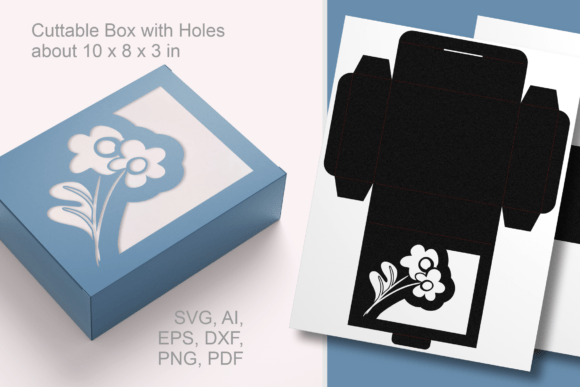
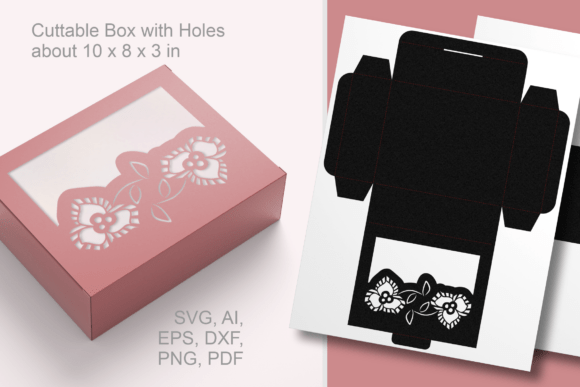
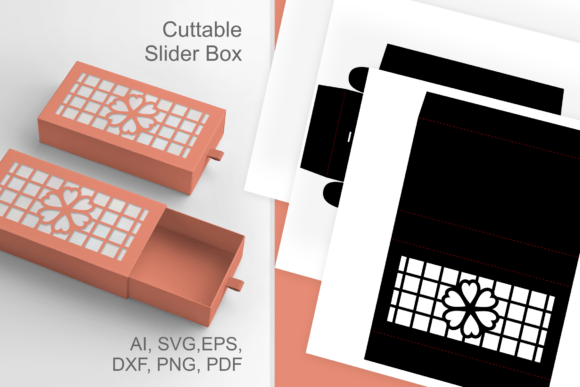
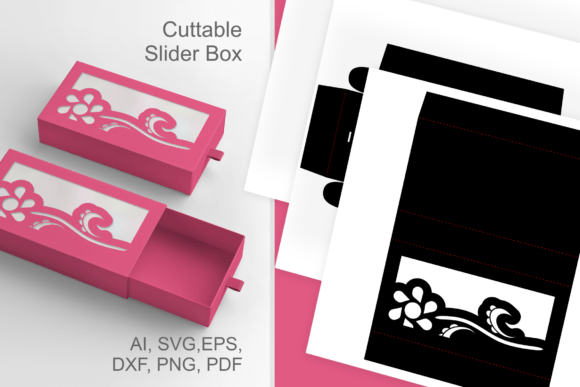
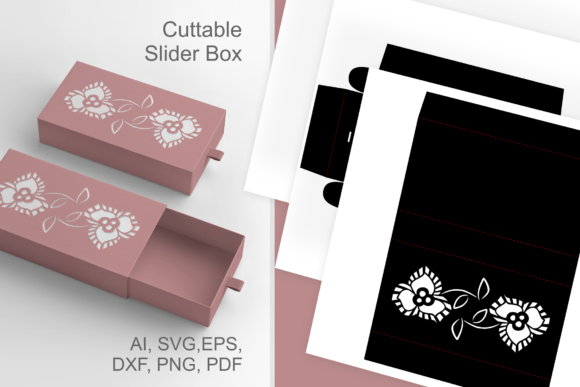
As a designer who constantly bridges the gap between digital assets and tangible, stitched goods, I approach every new file with a healthy dose of skepticism. We have all downloaded beautiful vectors that turn into thread nests or distorted shapes once they hit the hoop. When I first opened the Two Flowers Cutout - Slive N Drawer Box, my immediate thought was not about paper crafting, despite its description as a template for a sliding drawer favor box. Instead, I saw a structural blueprint for high-end embroidery. The intricate lines and decorative flower cutouts inherent in this 3D SVG format offer a unique opportunity for mixed-media artisans and machine embroidery specialists looking to elevate their spring collections.
This review evaluates the design strictly through the lens of real-world application. I am looking at this asset as a potential centerpiece for custom apparel, boutique packaging, and personalized gifts. Here is my practical assessment of how the Two Flowers Cutout performs when translated from screen to stitch.
Translating Paper Cut Aesthetics to Thread
The visual personality of this design is undeniably elegant. It carries a delicate, vintage-botanical mood that fits perfectly within the Spring category. However, the "paper cut" aesthetic presents specific challenges and advantages for embroidery. In paper, negative space is clean and sharp. In embroidery, negative space requires precise planning. The decorative flower cutouts in this design act as natural guide maps for applique work or intricate satin stitch borders.
When I visualize this on a finished product, I do not see a dense, heavy patch. I see an airy, sophisticated motif where the fabric texture plays as much of a role as the thread colors. For an Etsy seller or small shop owner, this distinction is vital. Customers are currently gravitating toward handmade products that feel breathable and artisanal rather than mass-produced and stiff. The Two Flowers Cutout provides that organic framework, allowing you to create embroidered patches or direct-to-garment designs that retain a sense of lightness even when stitched out.
Real-World Application: The Spring Tote Bag Project
To truly test the viability of this design, I mentally prototyped it for a client project: a premium canvas tote bag intended as a bridal party favor. This scenario tests durability, visual appeal, and commercial value simultaneously. Using the Two Flowers Cutout as the primary embroidery file, I envisioned a tone-on-tone cream thread on natural canvas.
In this context, the sliding drawer box geometry serves as a framing element. Rather than stitching the entire box structure, which might be too rigid for a flexible tote bag, I utilized the floral cutout lines as placement guides for a partial applique design. The result is a custom apparel accessory that feels expensive and intentional. For a craft business, this adaptability is key. You are not locked into making literal paper boxes; you are leveraging the vector lines to create cohesive brand assets across different mediums. Whether you are producing holiday embroidery samples or spring merchandise, the design’s architecture supports versatile interpretation without losing its core identity.
Navigating Fabric Texture and Stabilizer Choices
While the design is versatile, it demands respect for technical fundamentals. The intricate nature of the flower cutouts means that fabric texture will significantly impact the final look. On smooth cotton or linen, the running stitch and satin stitch details will pop with clarity. However, on textured fabrics like terry cloth towels or nubby linen, those fine interior details risk getting lost or causing puckering.
If you are planning sweatshirt embroidery or working with stretchy knits, you must adjust your approach. The geometric precision of the Two Flowers Cutout can distort easily on unstable fabrics. I strongly recommend using a cutaway stabilizer rather than tear-away for any garment application to maintain the integrity of the floral curves. For baby embroidery items, safety and comfort are paramount. Ensure that any satin stitch borders derived from the cutout lines are smooth against the skin and that stitch density is adjusted to prevent a stiff, scratchy backing. Always verify your hoop size before committing; cramming this detailed design into a 4x4 hoop may require simplifying the outer box elements to preserve the clarity of the central flowers.
Commercial Viability and Customer Perception
For creative entrepreneurs and digital product sellers, the value of an asset lies in its ability to generate trust and engagement. When customers view a printable mockup or a listing photo, they are subconsciously assessing professionalism. The Two Flowers Cutout offers clean, deliberate lines that photograph beautifully. Unlike generic clip art, this design suggests a level of craftsmanship that justifies higher price points for finished products.
However, a word of caution regarding commercial embroidery use: always confirm licensing. Just because a file is marketed as a paper template does not automatically grant rights to sell digitized embroidery versions or finished stitched goods. Verify the terms before adding this to your Etsy listings or boutique inventory. Assuming rights can lead to shop suspensions or legal issues. If cleared for commercial use, this design excels in creating recognizable brand consistency. Using the same floral motif on packaging, tags, and the product itself creates a unified unboxing experience that boosts buyer engagement and perceived value.
Essential Designer Notes for Success
Before you load this embroidery file into your machine or list it as a digital asset, run through this practical checklist based on my evaluation:
- Test Stitch on Scrap: Never assume the digital preview matches reality. Stitch the Two Flowers Cutout on a scrap of your actual project fabric to check for registration issues between the box outline and floral details.
- Evaluate Contrast: Test the design in black and white mockups. If the flowers disappear without color contrast, you may need to increase stitch density or add a background fill stitch for low-contrast applications.
- Check Small Details: Inspect the smallest petal tips. If they are thinner than 1mm, they may not stitch cleanly on certain machines. Consider editing the file to slightly widen these areas for production safety.
- Stabilizer Matching: Match your stabilizer weight to the fabric, not just the design. Lighter fabrics need lighter stabilizers to avoid show-through, while heavier items need robust support for the satin stitch elements.
- Mockup Accuracy: When creating marketing materials, ensure your printable mockup accurately represents the stitch texture. Misleading customers with flat vector images for embroidered products leads to returns and negative reviews.
- Wash Testing: If selling tea towels or baby items, wash your test sample three times. Intricate cutout-style embroidery can fray if not properly secured. Adjust underlay stitches if durability fails.
Final Verdict for Makers
The Two Flowers Cutout - Slive N Drawer Box is more than a seasonal paper craft template; it is a sophisticated structural asset for the serious embroiderer. Its strength lies in its balance of geometric order and organic floral softness, making it ideal for spring collections, wedding favors, and boutique branding. By treating the vector lines as a guide for textile art rather than a rigid coloring book page, you unlock its full potential. Approach it with technical mindfulness regarding stabilizers and fabric choices, and it will serve as a cornerstone for professional, high-value handmade products that resonate with discerning customers.