3D SVG for Birthdays: Happy Birthday Brother Card Review
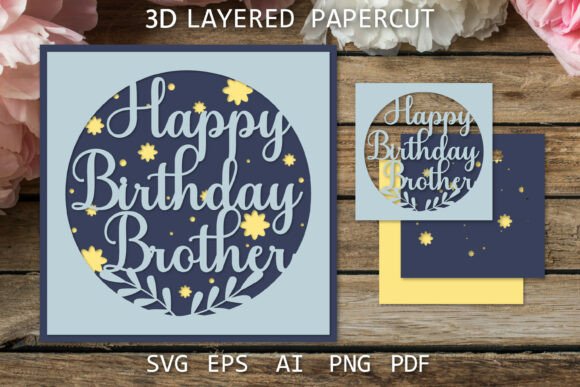
As a digital publisher and blog designer, I constantly evaluate graphic design assets not just for their aesthetic appeal, but for their functional utility in a real content workflow. When reviewing the Happy Birthday Brother Card SVG, my first impression was immediately grounded in its versatility as a layered paper cut file. Unlike flat vector illustrations that can sometimes feel sterile or overly corporate, this asset possesses a tactile depth that translates exceptionally well to screen. The editorial mood it creates is warm, nostalgic, and intentionally crafted, signaling to readers that the content they are about to consume is personal and thoughtful rather than generic.
For content creators operating in the family lifestyle, DIY crafting, or personalized gifting niches, this specific digital download bridges the gap between a raw cutting file and a polished web visual. It feels inherently artistic yet structured enough for professional editorial design. The layered nature of the design suggests dimension even when viewed as a static JPEG on a website, which is crucial for maintaining reader engagement. In an era where stock photography often feels repetitive, utilizing a rendered 3D SVG offers a unique visual texture that supports authentic storytelling about sibling relationships and celebration.
Elevating Editorial Layouts and Featured Images
In my daily publishing workflow, the primary challenge is creating blog graphics that stop the scroll without sacrificing brand consistency. This Happy Birthday Brother card SVG serves as an excellent anchor for featured images. Because the design relies on distinct layers and shadows, it naturally establishes a strong visual hierarchy. When I place this asset against a solid pastel or neutral background, the focal point is immediate. This clarity is essential for reducing bounce rates; readers instantly understand the article’s context before reading a single word of the headline.
Beyond standard blog headers, this asset performs remarkably well as a Pinterest pin graphic. Pinterest users respond to vertical visuals with clear text overlays and high-contrast elements. The intricate details of the paper cut style provide enough visual interest to encourage repins, while the negative space within the layered design allows for readable typography. For affiliate marketers promoting Cricut machines, vinyl supplies, or personalized gift services, rendering this SVG into a pin creates a native-looking piece of content that feels like a user project rather than a blatant advertisement. This subtle approach to affiliate marketing visuals often yields higher click-through rates because it prioritizes inspiration over hard selling.
Strategic Applications Across Digital Channels
The utility of this design asset extends far beyond a single blog post. As I plan content calendars, I look for assets that can be repurposed across multiple touchpoints to reinforce brand identity. This layered card design is particularly effective for:
- Newsletter Headers: Adding a festive, dimensional element to email campaigns increases open rates and sets a celebratory tone for birthday-themed editions.
- Lead Magnets: Using the rendered card as a cover mockup for a "Birthday Planning Guide" or "Sibling Gift Checklist" adds perceived value to the digital product.
- Social Media Graphics: The asset scales beautifully for Instagram carousels or Facebook posts, serving as a consistent visual thread during seasonal birthday content pushes.
- Website Banners: A wide crop of the layered design works effectively as a hero image for category pages dedicated to family celebrations or papercraft tutorials.
- Printable Design Previews: If you sell the SVG itself, showing it rendered in 3D helps customers visualize the final physical product, directly supporting e-commerce conversion.
Each of these applications leverages the asset's inherent charm to build trust. When a website looks cohesive and professionally designed, readers are more likely to trust the recommendations, tutorials, or products presented within the content.
Optimizing Visual Performance and Reader Trust
While the aesthetic quality is high, a seasoned publisher must also consider technical performance and contextual appropriateness. This Happy Birthday Brother card SVG excels in environments that benefit from warmth and detail. However, it requires careful placement. I have found that such intricate creative design elements can become muddy when used as small mobile thumbnails. On a smartphone screen, the delicate paper cut lines may blur together if the image compression is too aggressive. Therefore, I recommend testing the asset at various sizes before committing it to your site’s global thumbnail settings.
Furthermore, this asset is best suited for lifestyle, crafting, and family-oriented content. It would likely feel out of place in serious corporate communications, financial advice columns, or minimalist tech blogs. Understanding where a graphic design asset belongs is just as important as knowing how to use it. In the right niche, however, it significantly enhances the user experience by breaking up text-heavy layouts with meaningful visual relief. This contributes to longer dwell times and better overall content consumption metrics.
Publisher Notes: Technical Checks and Licensing
Before integrating this asset into any monetized website or content marketing strategy, there are several practical steps I always take to ensure professional results. First, verify the commercial license. If you are using this on a site with ads, affiliate links, or paid products, you must confirm that the creator permits commercial web use. Assuming licensing is clear, proceed with these technical validations:
- Contrast Testing: Always preview the asset against your actual website background color. Paper cut designs rely on shadow definition; if your background is too dark or too busy, the 3D effect vanishes.
- Typography Pairing: Test the asset beside your brand fonts. This design pairs exceptionally well with clean sans-serif fonts for modern readability or elegant script fonts for a traditional greeting card feel. Avoid overly decorative display fonts that compete with the intricate SVG details.
- File Optimization: Render the SVG to PNG or WebP format for web use. Keep file sizes under 150KB for inline graphics to maintain fast load speeds. Use lossless compression tools to preserve the crisp edges of the paper layers.
- Mobile Preview: Check the graphic on a physical phone, not just a browser inspector. Ensure the central message remains legible and the visual impact holds up on smaller screens.
- Canva Integration: If you use Canva templates for speed, upload the transparent PNG version. This allows you to quickly swap colors or add text overlays without needing specialized vector software, streamlining your production workflow.
By treating this Happy Birthday Brother card SVG as a strategic component of your web design system rather than just a decoration, you elevate the entire quality of your publication. It transforms standard birthday content into a visually rich experience that resonates with readers looking for genuine connection and creative inspiration. Whether used for a digital guide, a seasonal blog series, or a small business branding refresh, this asset delivers both emotional resonance and professional polish when applied with intention.