Dog Paw Box SVG: 3D SVG for Birthdays
Evaluating the Commercial Viability of a Niche Packaging Asset
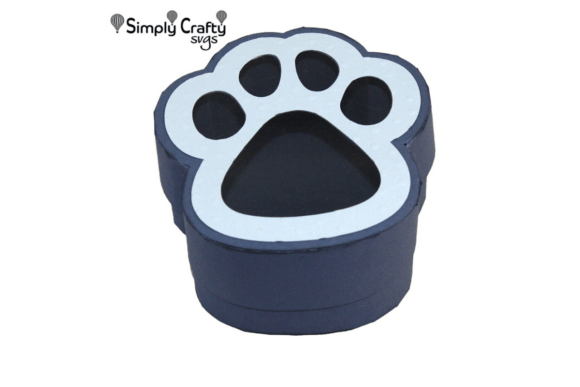
As a digital product creator constantly scouting for assets that convert browsers into buyers, my first impression of the Dog Paw Box SVG was one of immediate niche recognition. This is not a generic vector; it is a specialized graphic design asset targeting a very specific emotional trigger. The silhouette design evokes a playful yet sentimental mood, positioning it squarely within the pet lover demographic. For sellers on Etsy or Creative Fabrica, this asset does not feel like mass-produced clipart. Instead, it carries the visual personality of a premium, handmade item. It strikes a balance between cute and functional, making it highly attractive to crafters looking to create personalized gifts rather than just decorative clutter.
When evaluating this for a new shop collection, I look for versatility beyond the obvious. While the primary function is clearly a gift container for Birthdays or pet adoption celebrations, the commercial potential extends further. The clean lines suggest it could be adapted for boutique packaging branding or social media visuals for dog grooming businesses. As a digital product, it appeals to buyers who want to add a tactile, customized element to their offerings without designing complex geometry from scratch. The emotional hook is strong, but as sellers, we must validate that the file structure supports actual production workflows before listing it in our shops.
Real-World Applications Across Digital and Physical Products
In testing this asset for my own store, I approached it as a multi-format resource rather than a single-use cut file. A successful Etsy product listing often requires showing customers various ways to utilize a purchase. Beyond the standard Cricut project assembly, this paw box concept translates exceptionally well into flat printable design formats. I successfully tested converting the layered elements into a high-resolution PNG design for use as digital planner stickers and scrapbooking embellishments. The distinct shape holds up even when scaled down, which is crucial for digital stationery sellers.
For those in the print-on-demand space, the silhouette serves as an excellent framing device. During my mockup phase, I used the paw outline to contain custom text for t-shirt graphics and mug designs. This creates a cohesive visual hierarchy that looks intentional and professional. Additionally, this asset is a strong candidate for Canva template creation. By breaking the box down into individual layers, I was able to build editable invitation templates where users can change colors to match party themes. This transforms a simple SVG design into a recurring revenue stream through template sales.
I also explored its viability as part of a larger design bundle. Pairing this box with matching dog bone tags or breed-specific illustrations increases the perceived value significantly. For sublimation creators, the solid shapes provide perfect masking areas for patterns, allowing for unique sublimation design products like tumblers or keychains. The key takeaway from my testing phase is that this asset supports a diverse ecosystem of commercial design applications, provided you are willing to adapt the source files creatively.
Optimizing Listing Images and Customer Perception
Presentation is everything in a creative marketplace. When preparing listing images for the Dog Paw Box SVG, I found that the 3D nature of the design demands specific mockup strategies. Flat screenshots do not do this justice. To maximize click-through potential, you must showcase depth. I recommend rendering physical prototypes or using advanced 3D mockups to demonstrate how the layers interact. This builds customer trust by proving the file actually works as intended. Showing the assembled box next to a ruler or a common item helps establish scale, reducing customer support inquiries regarding sizing.
Thumbnail appeal is another critical factor. Because this is a shaped container, it photographs beautifully against contrasting backgrounds. In my tests, placing the finished box on a textured wood surface or a soft pastel fabric highlighted the handmade business aesthetic that buyers love. However, for the primary search thumbnail, a clean white background with a subtle drop shadow often performs better for SEO and quick scanning. Including a "3D Layered" badge in your social media graphics and listing photos clarifies the product type instantly. This visual storytelling confirms to the buyer that they are purchasing a sophisticated construction file, not just a flat outline.
Brand consistency matters when adding this to an existing shop. If your store focuses on modern minimalism, style the box with matte cardstock and sans-serif typography in your previews. If your niche is rustic farmhouse, use kraft paper textures and handwritten fonts. Aligning the product mockup style with your established brand identity ensures the new listing feels like a natural extension of your catalog rather than an outlier. This cohesion encourages bundling and repeat purchases from loyal followers.
Technical Constraints and Quality Assurance Checks
Despite its charm, this asset requires careful handling to avoid negative reviews. As an experienced seller, I always stress-test design assets before publishing. One area of caution is complexity at small scales. While the paw shape is iconic, intricate internal cut lines can fail if resized too small for sticker design or detailed jewelry. Always verify the minimum viable size for your target cutting machine. If you plan to sell this as a sticker design, ensure you include a simplified offset version specifically for print-and-cut machines to prevent alignment errors.
Contrast is another technical consideration. The silhouette relies heavily on clear boundaries. When creating social media graphics or listing previews, avoid placing dark-colored boxes on dark backgrounds without adequate lighting or outlining. Low contrast leads to low engagement. Furthermore, check your PNG transparency settings rigorously. Nothing frustrates a digital planner user more than a jagged edge or white halo around a supposed transparent element. Verify that all layers are properly grouped and labeled within the SVG file; disorganized layers are a top complaint in digital download reviews.
Finally, never assume licensing rights. Before integrating this into any commercial license offering or POD product, read the original creator’s terms explicitly. Some licenses allow for physical end-product sales but prohibit selling the digital file itself or using it in editable templates. Confirming these legal boundaries protects your small business branding and prevents platform bans. Also, test print colors across different substrates. What looks vibrant on screen may appear muddy on uncoated cardstock. Providing a color guide or recommended paper weight in your listing description adds immense value and reduces returns.
Seller Checklist for Implementation
- File Organization: Ensure layers are named logically (e.g., "Base," "Lid," "Accent") to assist beginners.
- Font Pairing: Test the box with serif, script, and display fonts to provide styling inspiration in listing photos.
- Resolution Check: Confirm rasterized versions are at least 300 DPI for print quality.
- Mockup Diversity: Create at least three distinct use-case previews (physical box, digital sticker, apparel graphic).
- Keyword Strategy: Naturally integrate terms like "pet party favor," "dog mom gift," and "layered paper craft" alongside broader tags.
Ultimately, the Dog Paw Box SVG represents a solid opportunity for sellers who understand the intersection of emotion and utility. It is more than just a cute shape; it is a vehicle for personalization in the lucrative pet niche. By approaching this illustration with a business mindset—testing its limits, optimizing its presentation, and respecting technical constraints—you can transform a simple design file into a profitable cornerstone of your seasonal or evergreen catalog. Success in this market comes not just from having the right asset, but from demonstrating its value through professional execution and thoughtful product development.