Cube Gift Box with Internal Card Insert Review
When evaluating digital assets for physical production, my primary concern is always translation. A file might look pristine on a monitor, but the true test lies in how it behaves under the needle and within the hand. As a designer who frequently bridges the gap between digital templates and tangible goods, I approached the Cube Gift Box with Internal Card Insert with a critical eye toward structural integrity and presentation value. This is not merely a decorative graphic; it is a functional 3D SVG template intended to create volume and display. For embroidery professionals and makers, understanding how this geometric form interacts with textile applications is essential before committing it to a commercial or personal project.
First Impressions: Structural Logic Meets Visual Charm
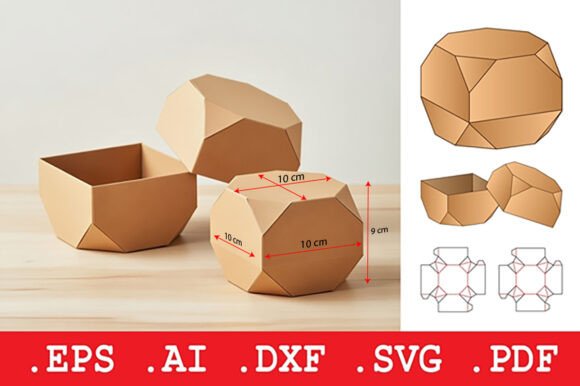
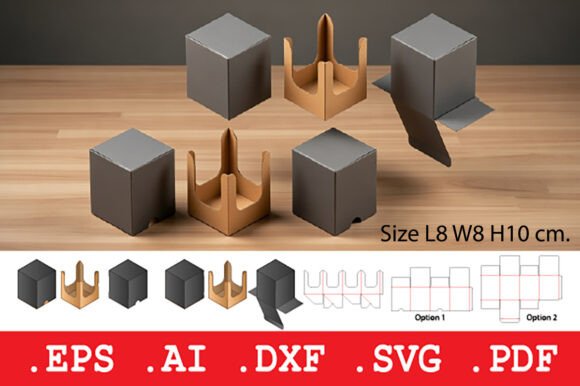
My initial assessment of this design focused on its dual nature. The sturdy cube-shaped outer box suggests stability and protection, while the unique internal crown style card insert introduces an element of surprise and elegance. In the realm of Objects and 3D SVGs, finding a balance between rigid geometry and organic appeal is difficult. This template achieves that balance by using the crown insert to soften the industrial feel of a perfect cube.
For an embroidery designer, this shape immediately signals versatility. It does not scream "holiday" or "birthday" exclusively; rather, it offers a neutral yet premium vessel that can be adapted through color and texture. The visual personality is clean and architectural, which means it will not compete with intricate embroidery work placed upon it. Instead, it acts as a sophisticated frame. When I visualize this as a finished product, I see it serving as high-end packaging for boutique items or as a stylized motif for custom apparel where a traditional gift box illustration would feel too flat or generic.
Real-World Application: Elevating Boutique Packaging
To truly judge this asset, I mentally applied it to a recent client request: a luxury unboxing experience for a handmade jewelry business. The client needed a way to present embroidered velvet pouches that felt substantial without using excessive plastic or filler. The Cube Gift Box with Internal Card Insert emerged as a strong contender for this specific use case.
In this scenario, the cube’s sturdiness is paramount. If I were to adapt this SVG into a cut file for heavy cardstock to hold an embroidered item, the dimensions must be precise. The internal crown insert serves a functional purpose here; it cradles the velvet pouch, preventing it from sliding around during shipping. From an embroidery perspective, if I were stitching a logo onto the exterior face of this box, the flat surfaces of the cube provide an excellent canvas. Unlike curved or irregular shapes, the cube allows for consistent hoop tension and stabilizer placement, ensuring that satin stitch borders remain crisp and fill stitches lay flat.
Furthermore, for Etsy sellers and small shop owners, this design solves a photography problem. The 3D nature of the template allows for professional mockups that show depth. When listing a personalized gift, showing the item nestled inside the crown insert communicates value far better than a flat lay. It tells the buyer that the craftsmanship extends beyond the stitch work to the presentation itself.
Technical Considerations for Textile Integration
While the design excels in paper engineering and digital visualization, applying it directly to embroidery projects requires careful technical planning. Geometric designs like this cube are unforgiving on fabric. Any distortion in stitch density or fabric pull will break the illusion of three-dimensional structure.
- Fabric Selection and Stability: Because the Cube Gift Box relies on straight lines and right angles, it performs best on stable, non-stretch fabrics. Canvas tote bags, denim aprons, and structured pillow covers are ideal substrates. Avoid stretchy knits or thin sheers unless you are using a heavy-duty cutaway stabilizer. The geometric rigidity of the design will highlight any fabric warping.
- Stitch Density Management: If adapting this 3D SVG into a machine embroidery design, pay close attention to stitch density. Solid fill areas on a cube can become bulletproof if over-digitized, making the garment uncomfortable. Conversely, insufficient density will cause the fabric to grin through the stitches, ruining the solid appearance of the box. Test swatches are mandatory.
- Hoop Size and Placement: Confirm your hoop size before beginning. The cube shape requires adequate margin space to prevent the edges from distorting near the hoop frame. For smaller hoops, consider stitching only one face of the cube or utilizing the crown insert as a standalone applique design.
- Thread Color Contrast: The visual impact of this design depends heavily on contrast. On dark fabrics, ensure your running stitch outlines are visible, or the cube will lose its definition. For light fabrics, consider tonal thread colors to emphasize texture over outline, creating a more subtle, embossed effect suitable for baby embroidery or wedding gifts.
Navigating Limitations and Risk Areas
No design is universal, and the Cube Gift Box with Internal Card Insert has specific limitations that makers must respect. The most significant challenge lies in detailed corners. Sharp 90-degree angles in embroidery can lead to thread buildup or fraying if not digitized with proper corner compensation. If you are converting this SVG to stitches, verify that the corners are rounded slightly or reinforced to prevent needle breaks and fabric tears.
Additionally, be cautious when using this design on curved surfaces like caps or sleeves. The cube is inherently flat and angular; forcing it onto a compound curve will result in a distorted image that looks unprofessional. Similarly, tiny lettering integrated into the box faces often fails. The stitch length required for legible text may conflict with the structural lines of the cube. Keep typography large and bold, or place text on the internal card insert where the surface is protected and flat.
Washability is another factor. If this design is used on custom apparel or kitchen towels, the dense geometric fills may take longer to dry and could retain moisture. For items requiring frequent laundering, consider using an applique technique for the box faces rather than full fill stitches. This reduces stitch count, improves drape, and maintains the visual weight of the cube without compromising the fabric's performance.
Professional Designer Notes for Success
Before adding this asset to your commercial embroidery workflow or selling it as part of a digital product bundle, adhere to these practical protocols:
- Verify Licensing: Always confirm the specific license terms for this digital template. Ensure you have the rights to sell finished physical products or include the file in your own design assets.
- Create Physical Prototypes: Do not rely solely on printable mockups. Cut and assemble the box physically to understand how the crown insert interacts with the outer shell. This tactile knowledge informs better digitizing decisions.
- Test in Black and White: Before selecting thread colors, view the design in grayscale. This reveals whether the value structure holds up without color reliance. A successful embroidery design must read clearly in monochrome.
- Check File Compatibility: While this is marketed as a 3D SVG, ensure your embroidery software or cutting machine supports the specific vector nodes used. Complex geometric intersections sometimes require simplification before they can be converted to stitch files.
- Evaluate Brand Alignment: Does a geometric cube fit your shop’s aesthetic? This design leans modern and structured. If your brand focuses on vintage florals or organic boho styles, this asset may feel disjointed unless heavily modified.
The Cube Gift Box with Internal Card Insert represents a thoughtful intersection of digital design and physical utility. For the experienced maker, it offers a reliable framework for elevating product presentation and exploring geometric embroidery. By respecting its technical requirements and leveraging its structural strengths, you can transform this digital template into a tangible asset that enhances customer trust and showcases your craftsmanship with professional precision.