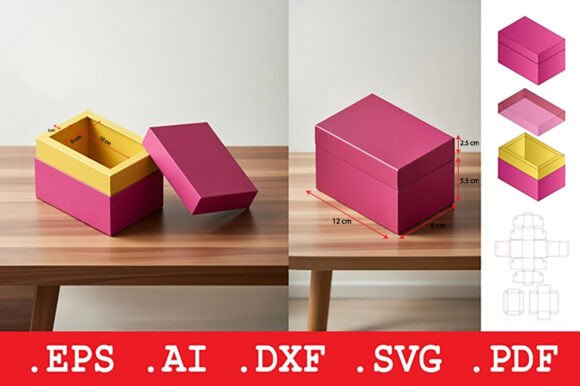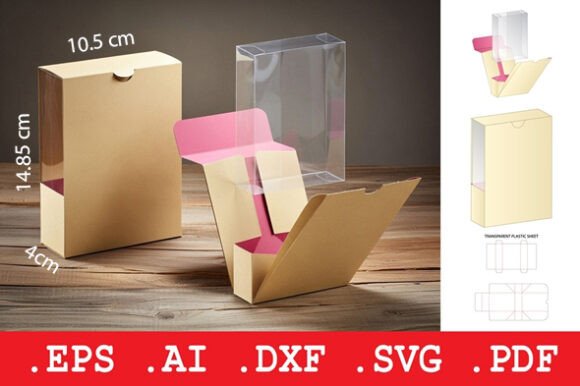
Luxury Window Tuck-Box Template: 3D SVG Objects Review
As a brand designer constantly scouting for assets that bridge the gap between digital marketing and physical product perception, my first impression of the Luxury Window Tuck-Box Template was one of immediate tactile intrigue. In a digital landscape often saturated with flat, sterile vectors, this asset introduces a necessary layer of depth. The mood it establishes is undeniably premium yet grounded; it avoids the coldness of high-tech gloss in favor of an artisanal, trustworthy warmth. For small business branding or creative entrepreneurs launching handmade goods, this emotional tone is critical. It signals to the audience that what lies inside is curated and protected. When evaluating this graphic design asset for a recent seasonal campaign refresh, I found that its dual-material aesthetic—mimicking sturdy kraft cardstock with a refined window cutout—instantly elevated the perceived value of the digital mockups before a single physical prototype was produced.
Elevating Seasonal Campaigns Through Tactile Visuals
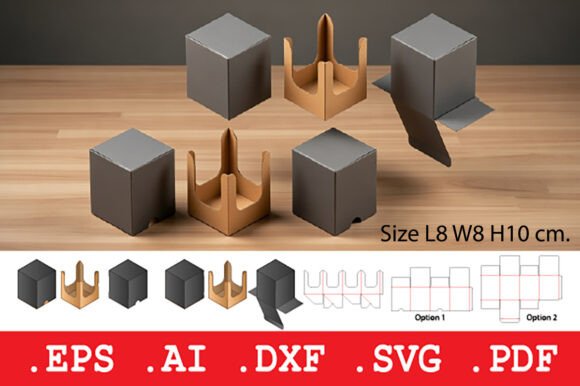
In a real-world scenario, imagine a boutique skincare line preparing for a holiday launch. The marketing goal is to communicate luxury without alienating customers who value sustainability and natural ingredients. This is where the Luxury Window Tuck-Box Template becomes a strategic tool rather than just a decorative element. During our content planning phase, we utilized this 3D SVG to anchor our Instagram carousel and Pinterest pins. Unlike generic packaging clipart, the specific construction of this template allowed us to showcase the interplay between the outer sleeve and the inner product visibility. This transparency builds audience trust; customers can visually verify the product quality through the die-cut window simulation. For social media managers and digital sellers, this asset serves as a high-converting visual hook. It transforms a standard product announcement into an unboxing experience, even if the customer is only viewing it on a screen. The versatility of this design bundle meant we could adapt the same visual language across email banners and website headers, ensuring a cohesive narrative that felt expensive but accessible.
Strategic Applications Across Brand Identity and Content Marketing
The true test of any creative design asset is its adaptability across different touchpoints. In reviewing the Luxury Window Tuck-Box Template, I found it exceptionally strong for specific marketing applications while requiring careful handling in others. Its primary strength lies in hero graphics and product launch visuals. When used as a central element in Facebook ads or digital ads, the dimensional quality stops the scroll because it breaks the two-dimensional plane of the feed. For bloggers and publishers creating editorial design layouts, this asset adds a sophisticated break in text-heavy articles about retail trends or gift guides.
However, professional branding requires discernment. This asset works best when it supports the message, not when it competes with it. I would advise against using this template in dense information layouts or small mobile graphics where the intricate details of the window cut and material texture might get lost. Similarly, for overly minimal brands or formal corporate identities that rely on stark flat design, the ornate nature of this tuck-box might feel disjointed. It thrives in lifestyle content, commercial design for artisanal products, and promotional banners where warmth and texture are paramount. As a printable design element, it also translates beautifully to physical collateral like event flyers or merchandise tags, bridging the gap between your online presence and offline reality.
Designer Notes: Integration, Typography, and Licensing
Before integrating the Luxury Window Tuck-Box Template into your next campaign, practical testing is non-negotiable. As part of my review process, I tested this asset against various brand color palettes and typographic styles to ensure it holds up under professional scrutiny. Here are my technical notes for designers and content creators:
- Color Palette Testing: While the default kraft tone is versatile, always test how the asset interacts with your specific brand colors. If you recolor the SVG, ensure the shadow layers remain neutral to maintain the 3D illusion. High-saturation backgrounds can sometimes flatten the effect, so use low-contrast or textured backgrounds to let the box pop.
- Typography Pairing: This asset pairs exceptionally well with elegant serif fonts for a heritage look or clean sans-serif fonts for modern luxury. Avoid overly distressed handwritten fonts, as they can clash with the precise geometry of the die-cut window. Ensure adequate spacing; the box needs breathing room to feel luxurious.
- Mobile Responsiveness: Always preview your designs on mobile screens. The intricate details of the window tuck-box are stunning on desktop but can become visual noise at thumbnail sizes. Simplify the composition for smaller ad formats.
- Commercial Licensing: Before using this in paid campaigns or client work, verify the commercial license terms. Understanding whether you can use this in a design bundle or as a standalone element in a Canva template is crucial for legal safety and ethical usage.
- Visual Hierarchy Check: Ensure the asset guides the eye toward your call-to-action or product name, not away from it. The window should frame your value proposition, not obscure it.
Building Audience Trust Through Consistent Presentation
Ultimately, the value of the Luxury Window Tuck-Box Template extends beyond aesthetics; it is a vehicle for clearer visual hierarchy and stronger recognition. In content marketing, consistency breeds familiarity, and familiarity breeds sales. By utilizing this asset as a recurring motif in your marketing visuals—from lead magnets to media kits—you create a proprietary visual language that distinguishes your brand in a crowded creative marketplace. For online coaches and product creators selling digital courses or physical kits, this packaging representation makes intangible offers feel concrete and valuable.
I have reviewed countless packaging mockups and illustration assets, but few strike the balance between utility and beauty as effectively as this template. It respects the intelligence of the viewer by offering detail without clutter. Whether you are designing a product label, refining your web design, or building a comprehensive content kit, this asset provides a foundational layer of professionalism. It tells your audience that you care about the presentation as much as the product itself. For small business owners and marketers looking to elevate their visual strategy without hiring a full-time packaging designer, this 3D SVG offers a high-return investment in brand perception. Just remember to use it intentionally, respecting its detailed nature, and it will serve as a powerful pillar in your visual identity system.